

How to Create a Green Home in Australia With Minimal Effort

Embracing Sustainable Living
In my journey toward sustainable living, I've discovered that integrating eco-friendly habits into our daily lives can be incredibly rewarding. As I stroll through the Royal Botanic Gardens Victoria, I'm reminded of the beautiful simplicity and balance that nature offers—a balance we can strive for in our homes and personal practices. Integrating appliances like the Philips Premium Airfryer XXL into your kitchen can significantly reduce energy consumption while facilitating healthier cooking methods. Its advanced technology not only provides a smaller carbon footprint but also elevates your culinary creations.
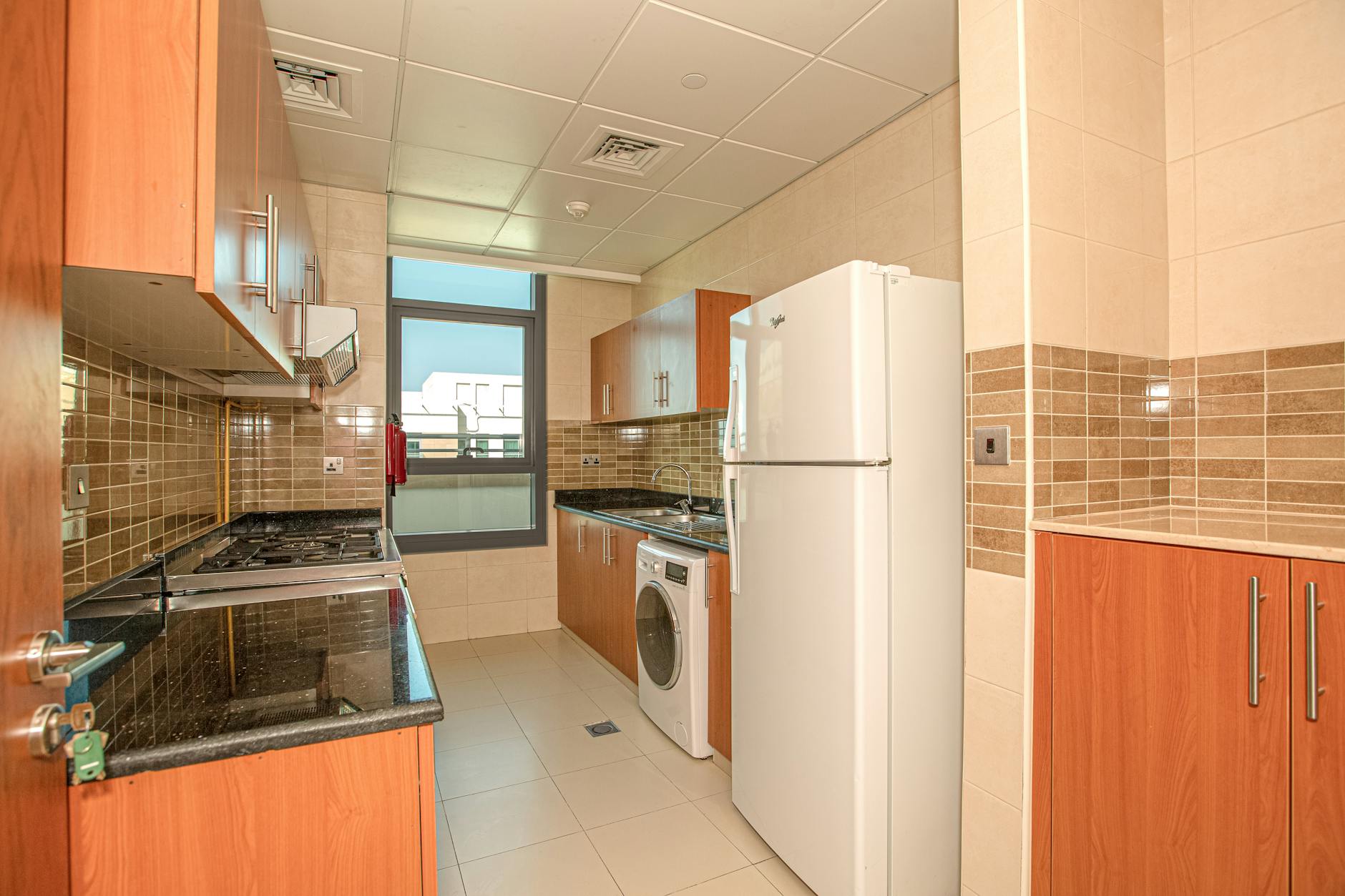
One practical step toward sustainability is implementing a Miele range hood to ensure efficient kitchen ventilation while cooking. This not only supports the use of energy-efficient cooking appliances but also maintains good indoor air quality. Another staple in maintaining a sustainable lifestyle is the regular use of a cooktop range hood, which further optimises energy use by effectively dissipating heat and smoke, making your home more comfortable and energy-efficient.
By consciously adopting and utilising these sustainable kitchen solutions, I find myself contributing more actively toward a sustainable future. These deliberate choices enable me to embrace a more environmentally friendly lifestyle without compromising on the quality of experiences or comfort in my home.
Eco-Friendly Home Design
Choosing Sustainable Materials
In the pursuit of creating an eco-friendly home, selecting sustainable materials is crucial. Opt for reclaimed wood or recycled metals to infuse your space with character, while reducing your environmental footprint. Crockpot slow cooker manufacturers increasingly use recycled components, highlighting a move towards sustainability in kitchen appliances. Bamboo is another excellent choice for flooring and furniture due to its rapid regrowth and minimal environmental impact. When updating your kitchen or bathroom, look for countertops made of recycled glass or composite materials, which not only look stunning but also make use of waste that would otherwise end up in landfills.
Energy-Saving Architecture
Incorporating energy-saving architectural designs can significantly reduce household energy consumption. Passive solar house design, which takes advantage of Melbourne’s abundant natural sunlight, can provide warmth during winter and shade during summer months. Double-glazed windows are another smart choice, ensuring maximum insulation and efficiency. Furthermore, installing a bosch dishwasher e15, which is designed to conserve water and electricity, aligns with these energy-efficient principles. Pair these efforts with the renewable energy installations found at the Melbourne Convention and Exhibition Centre for inspiration, clearly showcasing that energy savings can be both practical and impressive.
Natural Light Utilization
Maximising natural light not only creates a more inviting atmosphere but also reduces the need for artificial lighting, leading to lower energy use. Strategically placed skylights and large windows help harness daylight, transforming interiors into sun-lit spaces. You can complement this by decorating in light, reflective colours that brighten rooms. If you plan to cook rice in pressure cooker, consider setting up your kitchen near a window to enjoy this natural ambience. By focusing on these strategies, your home will beautifully demonstrate the harmony between design and sustainable living.
Efficient Energy Solutions
In today's environmentally-conscious times, power-efficient appliances play a crucial role in reducing energy consumption. One standout option is the air fryer ninja, a versatile appliance that not only reduces cooking time but also lessens energy usage compared to traditional ovens. Air fryers are designed to heat rapidly and circulate hot air efficiently, ensuring your meals are cooked to perfection with minimal energy use. Their compact size and effective heating make them a smart addition to any sustainable kitchen.
Additionally, appliances like an air fryer with rotisserie offer multiple cooking methods in one compact unit, maximizing functionality without taking up excessive space or resources. Embracing energy-efficient kitchen gadgets aligns with sustainable living practices, decreasing your carbon footprint while making home-cooked meals easier and faster.
Besides individual appliances, integrating your smart home systems with renewable energy options can make a massive difference in energy management. For example, using solar panels and connecting them with your appliances enhances energy efficiency and supports your commitment to a greener Melbourne. By choosing to adopt these power-saving solutions, you embrace an eco-friendly lifestyle synonymous with the renewable initiatives seen at the Melbourne Convention and Exhibition Centre.
By taking these steps, you not only contribute to a more sustainable future but also create a home environment that reflects your values of efficiency and environmental stewardship.
Water Conservation Techniques
Rainwater Harvesting Systems
Utilizing rainwater harvesting systems can dramatically reduce water consumption in your household. These systems are particularly effective during Melbourne's wetter months, capturing rainfall for reuse in gardens and toilets. The process involves diverting rainwater from surfaces, like roofs, into storage tanks. Integrating a rainwater harvesting system in your home can notably lessen reliance on municipal water supplies and pave the way for a more sustainable lifestyle.
Efficient Plumbing Fixtures
When looking to conserve water, effective plumbing fixtures offer an immediate improvement. Low-flow toilets and water-saving showerheads are essential additions that can cut water usage without compromising performance. By utilising these fixtures, you not only conserve water but also contribute to significant energy savings, particularly if your home relies on a solt dryer for laundry due to reduced overall water heating expenses. Furthermore, such updates align well with a green living ethos prevalent in areas like sustainable fashion boutiques in Fitzroy.
Greywater Recycling Solutions
Greywater recycling solutions present another opportunity for water conservation. Greywater comprises gently used water from sinks, showers, and laundry. By rerouting this water for purposes like garden irrigation, you decrease fresh water demand while nurturing your plants. This concept is similar to storing cooked chicken in fridge; it's about using resources wisely to maximise utility. With the right approach, greywater recycling can help homeowners contribute to sustainability and reflect their commitment to eco-friendly practices in their daily routines.
Avoiding Frequent Oversights
Energy Leaks: The Silent Culprits
When we think of creating an eco-friendly home, it's easy to focus on installing solar panels or investing in energy-efficient appliances. However, overlooking energy leaks can significantly undermine sustainability efforts. Gaps around windows and doors are notorious for letting heat escape during Melbourne's chilly winters, driving up energy consumption. Simple fixes like weather stripping or using thermal curtains can make a significant impact. Let's not forget to check the insulation, especially in older homes, as inadequate insulation can lead to higher energy bills and a colder home environment, regardless of how many energy provider Australia options you've explored.
Deciphering Green Certifications
Green certifications can be a maze. Many of us purchase products with labels claiming eco-friendliness without truly understanding what those certifications entail. Take a moment to educate yourself on widely recognised standards like the Green Building Council Australia's Green Star rating or the Forest Stewardship Council certification if you're buying wood products like the stunning pieces found in Fitzroy's sustainable boutiques. Doing so ensures that your choices contribute genuinely to a more sustainable living space, ultimately supporting other eco-conscious endeavours in the region.
Routine Maintenance: A Crucial Step
Routine maintenance often takes a backseat in busy lives, yet it's essential for sustaining the efficiency of your energy systems. Regularly servicing appliances, like HVAC systems, can prevent minor issues from escalating into major problems, ensuring they run efficiently and prolonging their lifespan. While it’s easy to get swept up in the latest trends in sustainability, the ongoing care of installed systems, such as checking solar panels at the Melbourne Convention and Exhibition Centre, extends the usability of your setup and maintains its efficiency. Keeping your renewable energy installations in tip-top shape complements sustainable transport initiatives around Melbourne, furthering the cause for a more eco-conscious city.